


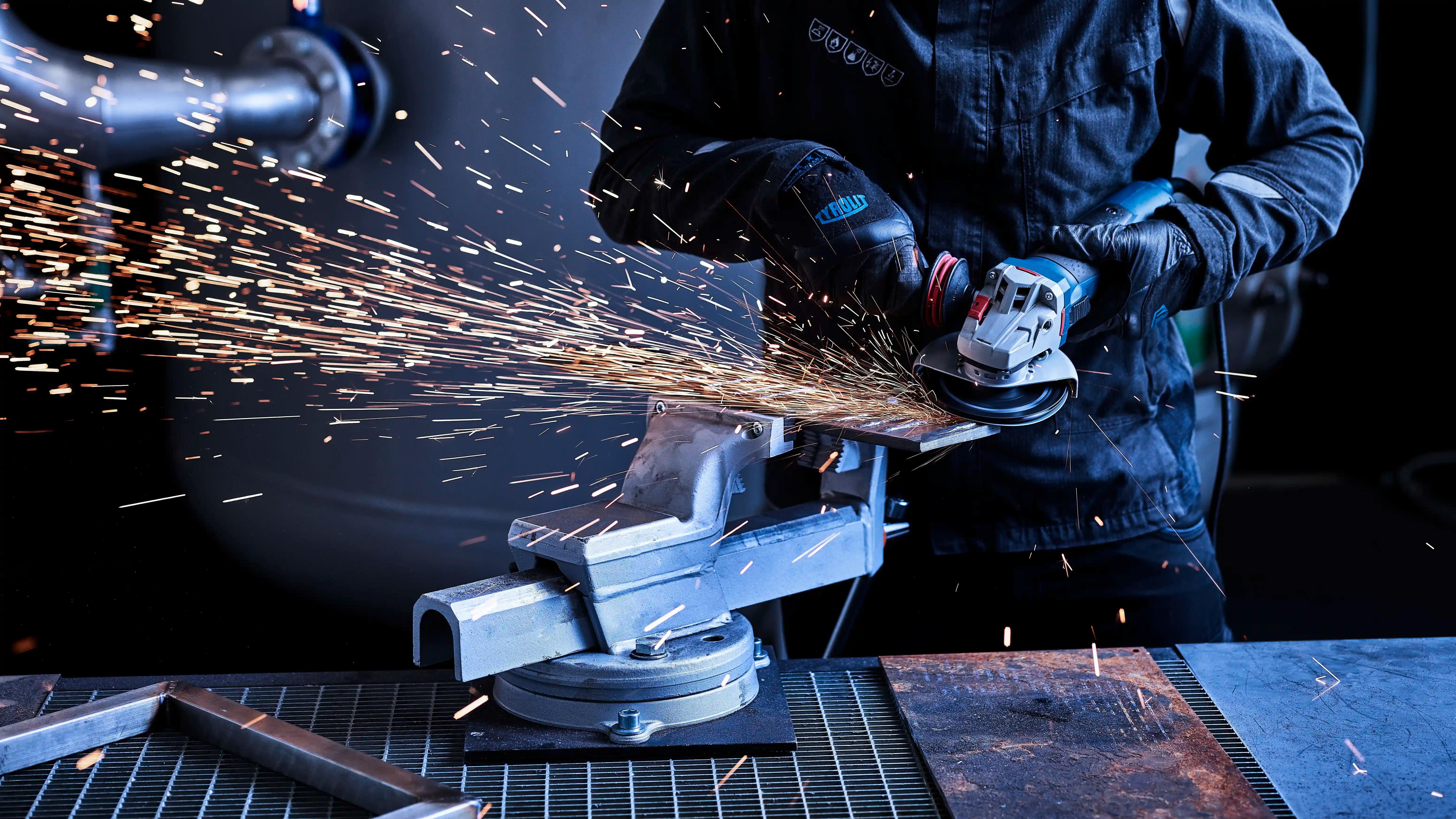
- The choice of grinding tool depends on the material, grain size, tool type and the specific application requirements.
- Aluminium oxide grinding wheels are ideal for softer metals such as aluminium and bronze; silicon carbide wheels for hard metals such as cast iron and hard alloys.
- Diamond grinding wheels are the first choice for very hard materials such as carbide and achieve extremely fine surfaces with tight tolerances.
- Ceramic and CBN tools (cubic boron nitride) are particularly effective for high-speed grinding operations and offer excellent durability.
- Coarser grains for fast material removal, finer grains for smoother surfaces – wheel hardness also influences the result.
•
Counsellor
Finding the Right Grinding Tool for Your Application
Share:

Discover how to choose the optimal grinding tool for your specific needs. This guide helps professional users navigate the selection process, ensuring efficiency and precision in various applications.
At a glance
Key takeaways
How do you choose the perfect grinding tool for your needs?
Choosing the ideal grinding tool depends on factors such as material, grain and tool type. Professionals need to consider the specific requirements of their project to achieve optimal results and maximize the lifetime of the tool.
Share:


